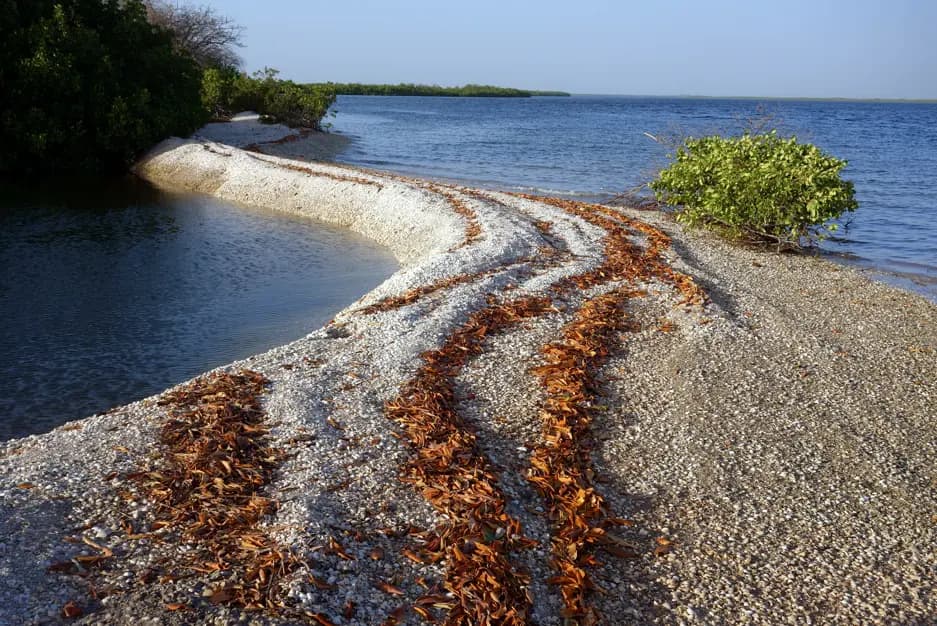
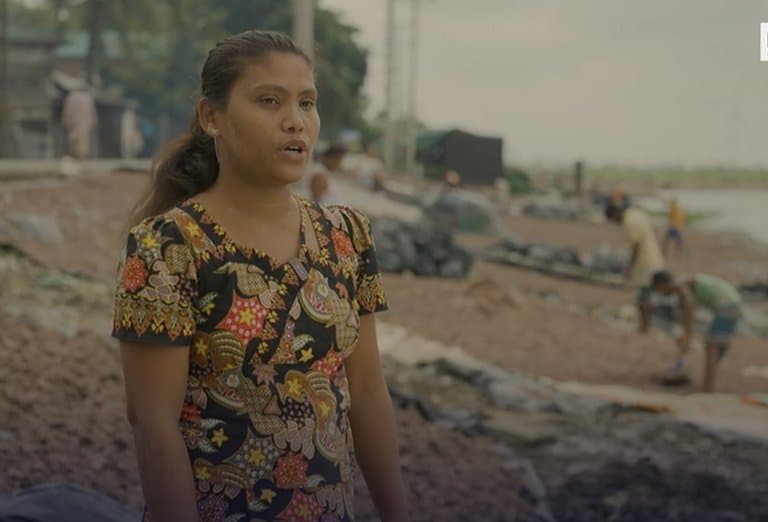
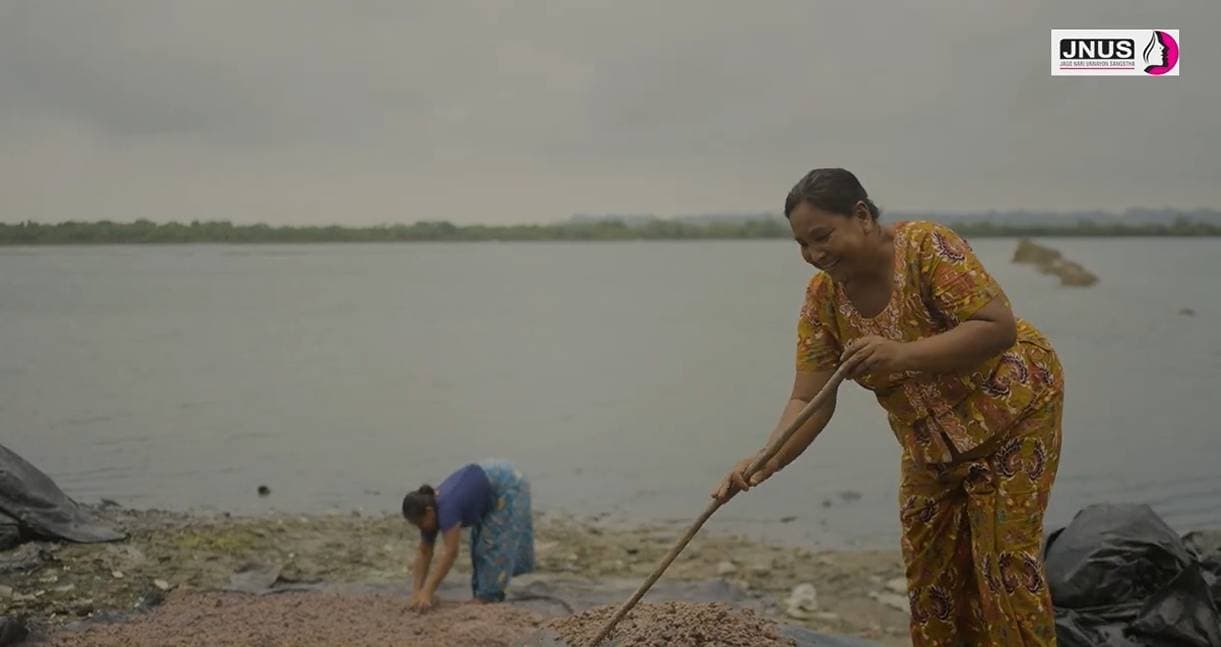
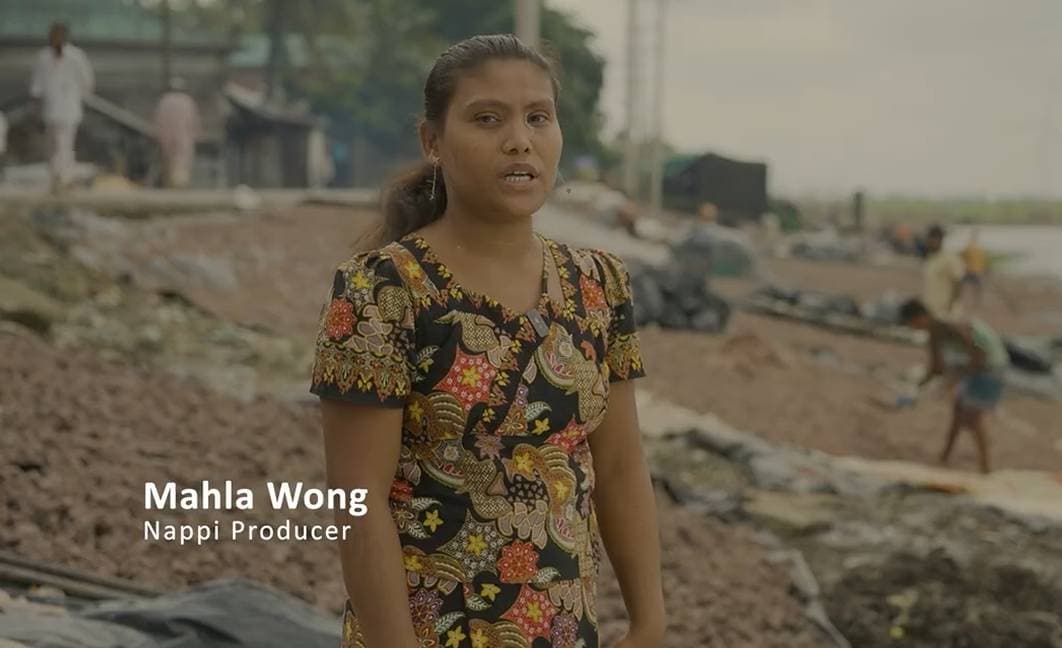
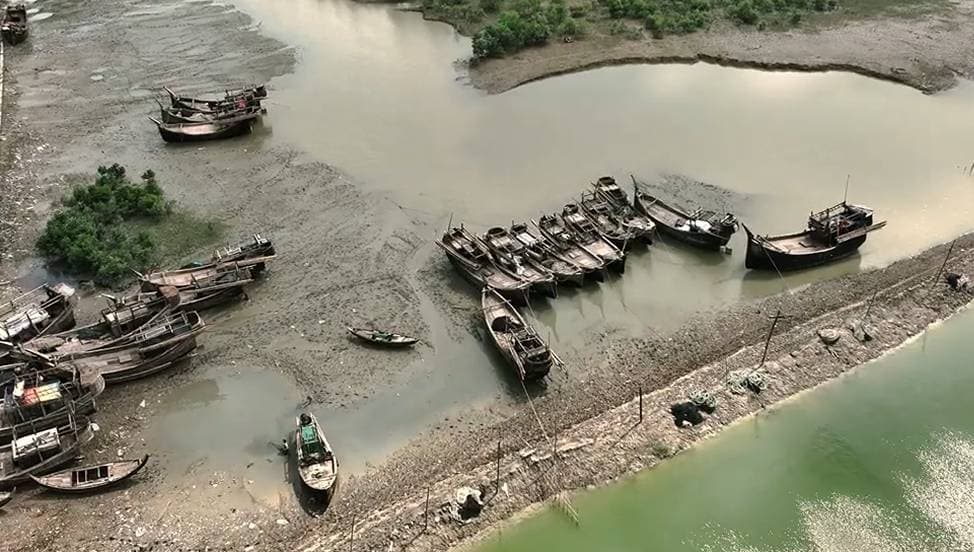
For generations, Rakhine women have produced ‘Nappi’ (fermented fish paste) on their ancestral coastal lands in one of the world’s most climate-vulnerable countries. These lands are the foundation of their livelihoods, food systems, and cultural identity. Both climate change and new infrastructure threaten communities with displacement and eviction from their homes, their places of work, and the lands linked to their cultures and traditions. The Rakhine women and their families face an uncertain future. To avoid repeating past mistakes—where land was signed away unknowingly—Jago Nari (a women-led NGO), the Young Women Leaders Forum, the local Indigenous Peoples Forum, and community advocates are enabling Indigenous women’s leadership so they can fully represent all that their tenure encompasses and assert their rights. The dialogue continues, and with this support, a just process is more certain, and the rights of these Indigenous women and their families can be upheld through climate change and development.
Jan 12, 2026, 10:00 AM
Rakhine Women Fight for Survival, Tenure, and Identity
Watch Now
Partner Organization

Jago Nari Unnayon Sangstha
Country
Bangladesh
Description
Climate change and new infrastructure threaten Rakhine women’s ancestral lands. A coalition of women’s groups is ensuring they can lead — and protect what’s theirs.
Photos (6)
Latest Stories
Learn more about Turning Tides
Join us to fund Indigenous Peoples, fishers, and coastal defenders —or join collaborative efforts toward a sea change in how frontline communities are funded and supported