Across Indonesia’s archipelago, coastal communities have pioneered sophisticated marine governance rooted in traditional ecological knowledge, yet their proven stewardship faces significant legal gaps, lacks enforcement capacity, and confronts mounting external threats.
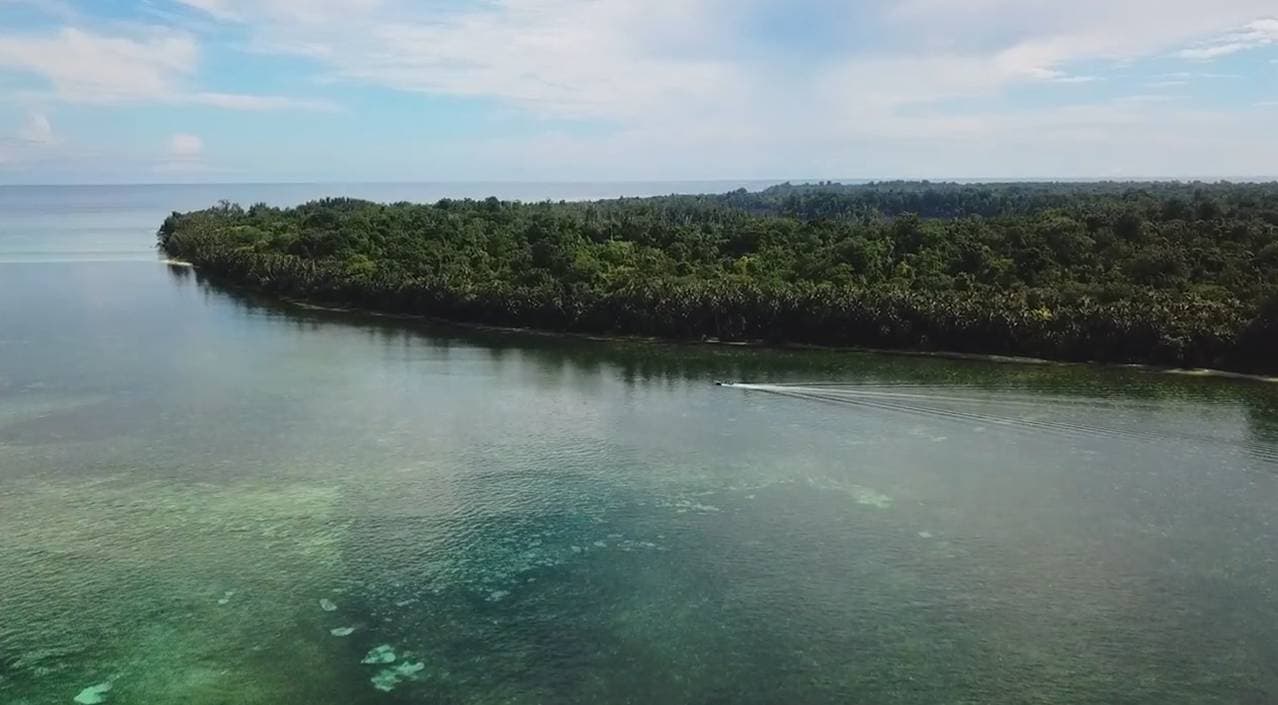
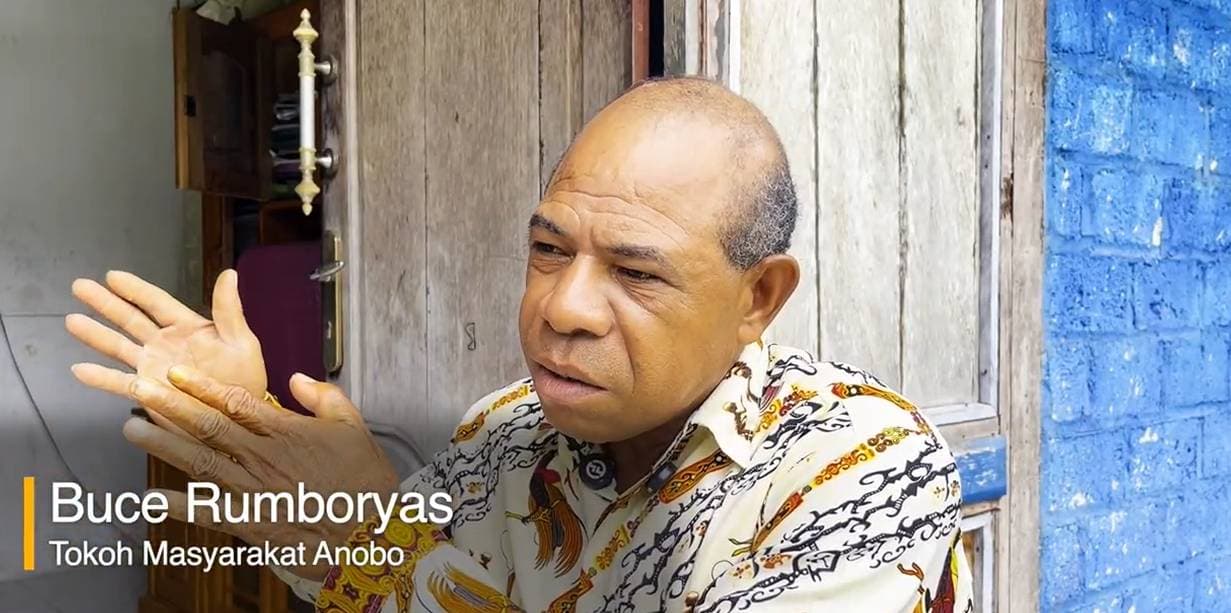
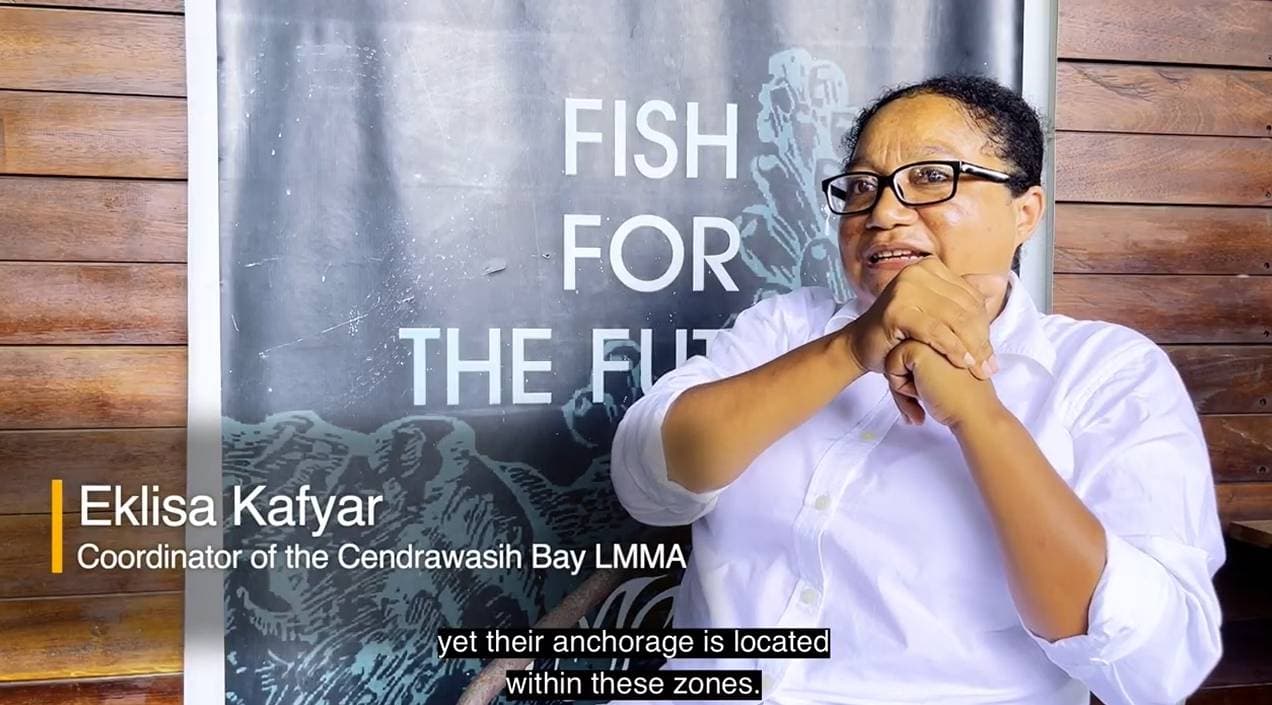
In the Padaido Islands, the Padaidori people manage land and sea through sasisen (customary sanctuaries) and customary systems upheld by traditional leaders, churches, and village governments. Despite this system’s local legitimacy and demonstrated effectiveness, the community faces mounting pressure from outside fishing vessels and unregulated practices that exploit legal gaps to deplete marine resources.
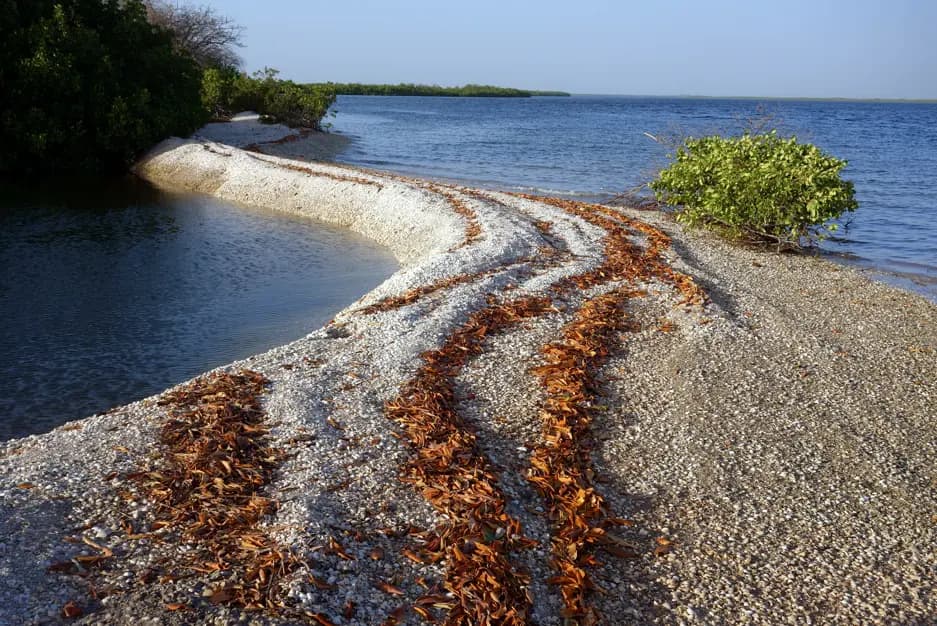
In East Lombok, awik-awik regulations ended labor migration and built thriving aquaculture economies. However, these systems continue to face legal challenges due to overlapping marine management authority between villages and the government.
Jan 12, 2026, 10:00 AM
Towards Tenure Reform for Indigenous Territories and Local Community Managed Areas in Eastern Indonesia

Watch Now
Partner Organization
Working Group of ICCA Indonesia and BRWA
Country
Indonesia
Description
Coastal communities across Indonesia have pioneered sophisticated marine governance — and are now fighting to close the legal gaps that leave their systems exposed.
Photos (6)

Related links about this story
Living from the Sea, Thriving on the Land: The Wisdom of the Padaidori People in Governing Nature
‘Sasisen’ and ‘Sayer Fyaduru’: The Padaidori Way of Living in Harmony with Nature
East Lombok
‘Awik-Awik’ Boosts Local Economy, Jor Bay People No Longer Driven to Seek Work Abroad
‘Awik-Awik’ Practice in Lombok: Protecting the Sea, Safeguarding the Rights of Jor Bay Residents
Latest Stories
Learn more about Turning Tides
Join us to fund Indigenous Peoples, fishers, and coastal defenders —or join collaborative efforts toward a sea change in how frontline communities are funded and supported